Self-Care
Self-Care Learnings
Ten gentle lessons to help you rediscover the art of tending to yourself — with kindness, intention, and joy.
The Foundations of Self-Care
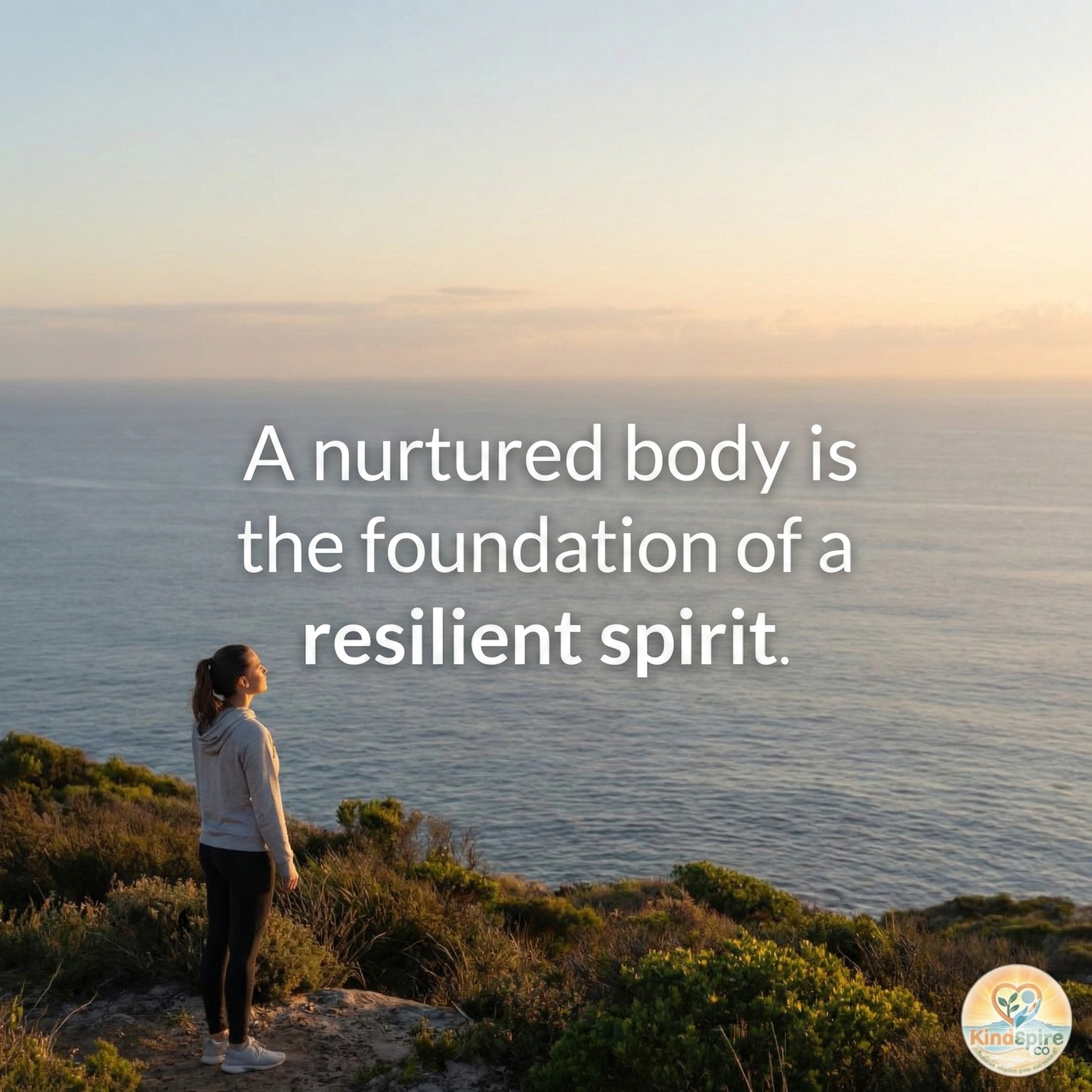
When you prioritise your own well-being, you aren't just "getting by" — you're building the resilience needed to show up fully for the people and passions that matter most. It's about recognising that you cannot pour from an empty cup and that tending to your own needs is the ultimate act of integrity.
The shift happens when you realise that self-care is a prerequisite for success. When you protect your peace and replenish your energy, you show up with more clarity, more kindness, and more confidence. You aren't just surviving the week; you are cultivating the environment required for you to rise.
For the next 24 hours, consciously step away from that drain and replace it with 5 minutes of intentional stillness.
If you treated yourself with the same urgency and care you give to your most important responsibilities, what would change today?
The Spark of Joy
We often treat joy as a reward we only get after all the work is done. We think hobbies, play, and delight are "unproductive" or selfish indulgences that take away from our responsibilities.
Joy is actually a vital nutrient. It is the energy source that prevents burnout. Prioritising things that make you smile isn't wasting time; it's recharging your soul so you can show up fully for your life. Self-care isn't just about fixing what is broken or resting when tired; it is about proactively filling your life with moments that light you up. Joy is a nutrient, not a luxury.
Schedule 15 minutes for it today. Not to achieve anything, but just to feel good.
What is one simple thing that never fails to make you smile?
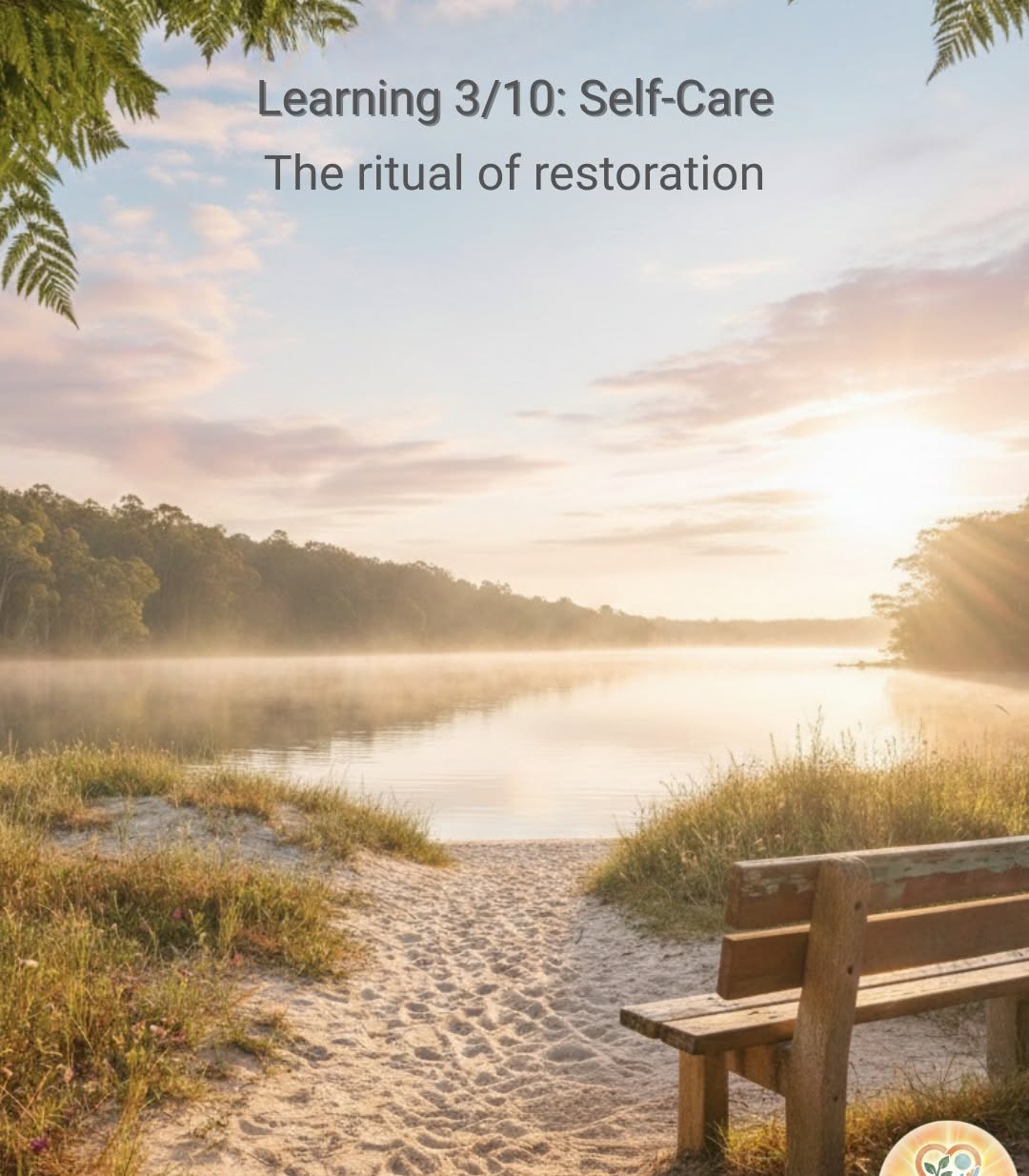
The Ritual of Restoration

← scroll to explore →
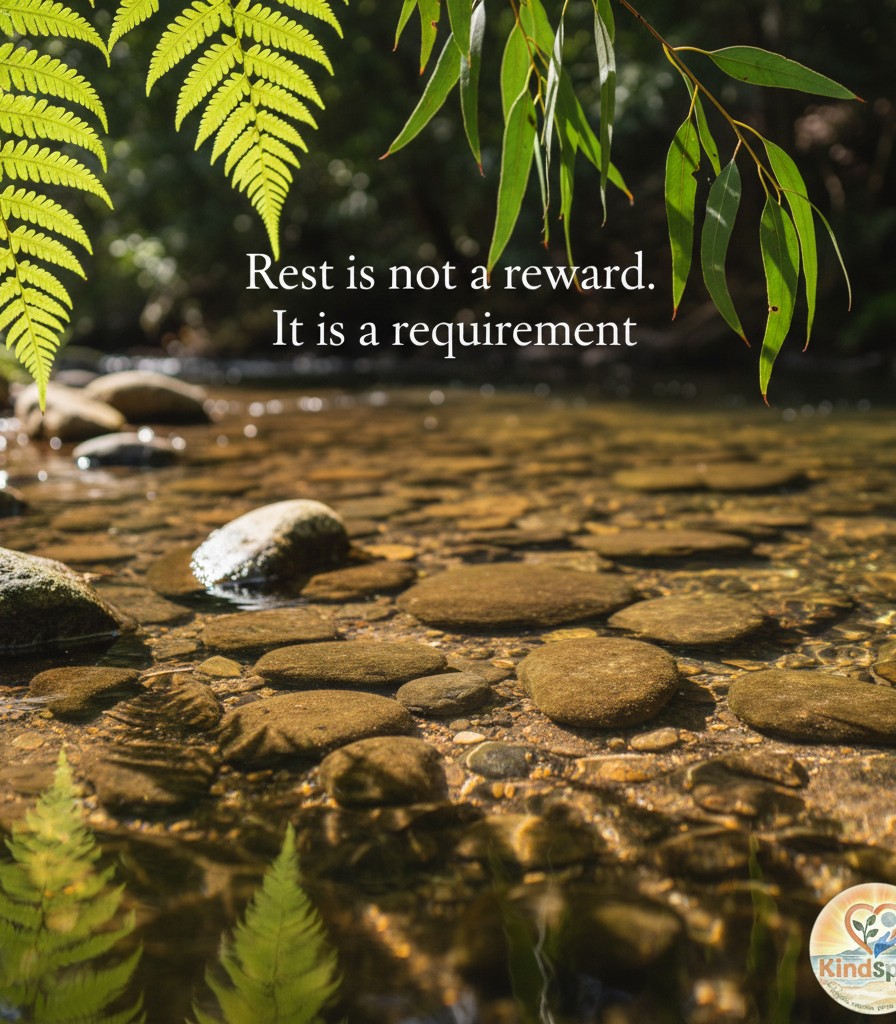
We often treat our energy like a bank card, spending now and promising ourselves we'll "pay it back" with sleep on the weekend. This constant state of depletion leaves us reactive, tired, and disconnected from our actual purpose. When we view rest as something we must earn, we turn self-care into just another task on the to-do list.
Shift your perspective: see restoration as a sacred maintenance of your spirit. Just as the tide must retreat to gather its strength, you must pull back from the world to return to it with impact. Taking ten minutes to breathe or an hour to wander isn't "lost time" — it's an investment in the quality of every hour that follows.
What is one activity that makes you feel like time is standing still? How can you gift yourself 15 minutes of that today?
Movement as Medicine
What if movement were the medicine that helped you process a hard day, clear a mental block, or simply feel more present in your own skin? The cycle of "doing" feels heavy and forced — but what if we shifted that perspective?
When we move with mindfulness — whether it's a vigorous run or a gentle stretch — we are communicating with our nervous system. We are telling our bodies that we are safe and that we are worth looking after. This month, let your movement be a celebration of what your body can do, not a punishment for what it is.
If you're exhausted, choose a slow walk. If you're frustrated, choose something that lets you release that energy.
When was the last time you moved just for the joy of it, without checking a watch or a goal?
The Power of Purposeful Play
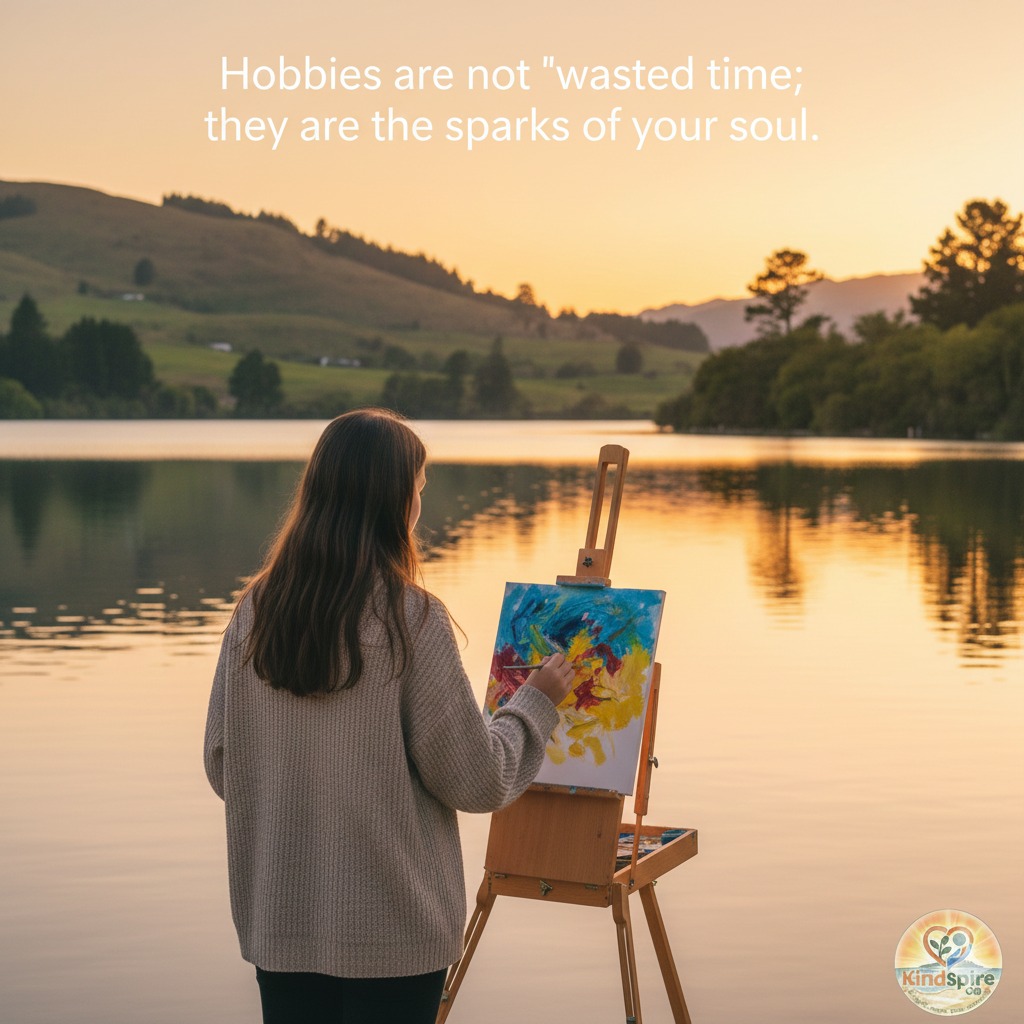
In the hustle of adulting, we often find ourselves caught in a cycle of productivity, where every moment must serve a purpose — a deadline, a chore, a goal. This mindset can subtly drain our energy, leaving little room for spontaneous joy or creative expression.
We mistakenly label hobbies as "wasted time" or "luxuries," pushing aside the very activities that could replenish our spirit and ignite our inner child. What if we reframed our understanding of play? What if we saw it not as an indulgence, but as a powerful, purposeful tool for self-care? Purposeful play is about engaging in activities purely for the joy and creative freedom they bring, without the pressure of an outcome. It's in these moments that we tap into our authentic selves, reduce stress, and unlock new perspectives.
Schedule just 30 minutes to engage in it, with no agenda other than pure enjoyment. Whether it's doodling, building a sandcastle, learning a few chords on a guitar, or simply getting lost in a good book — allow yourself to be a beginner and embrace the process.
When was the last time you engaged in an activity purely for the fun of it, without any expectation or goal? How did it make you feel?
Protecting Your Peace
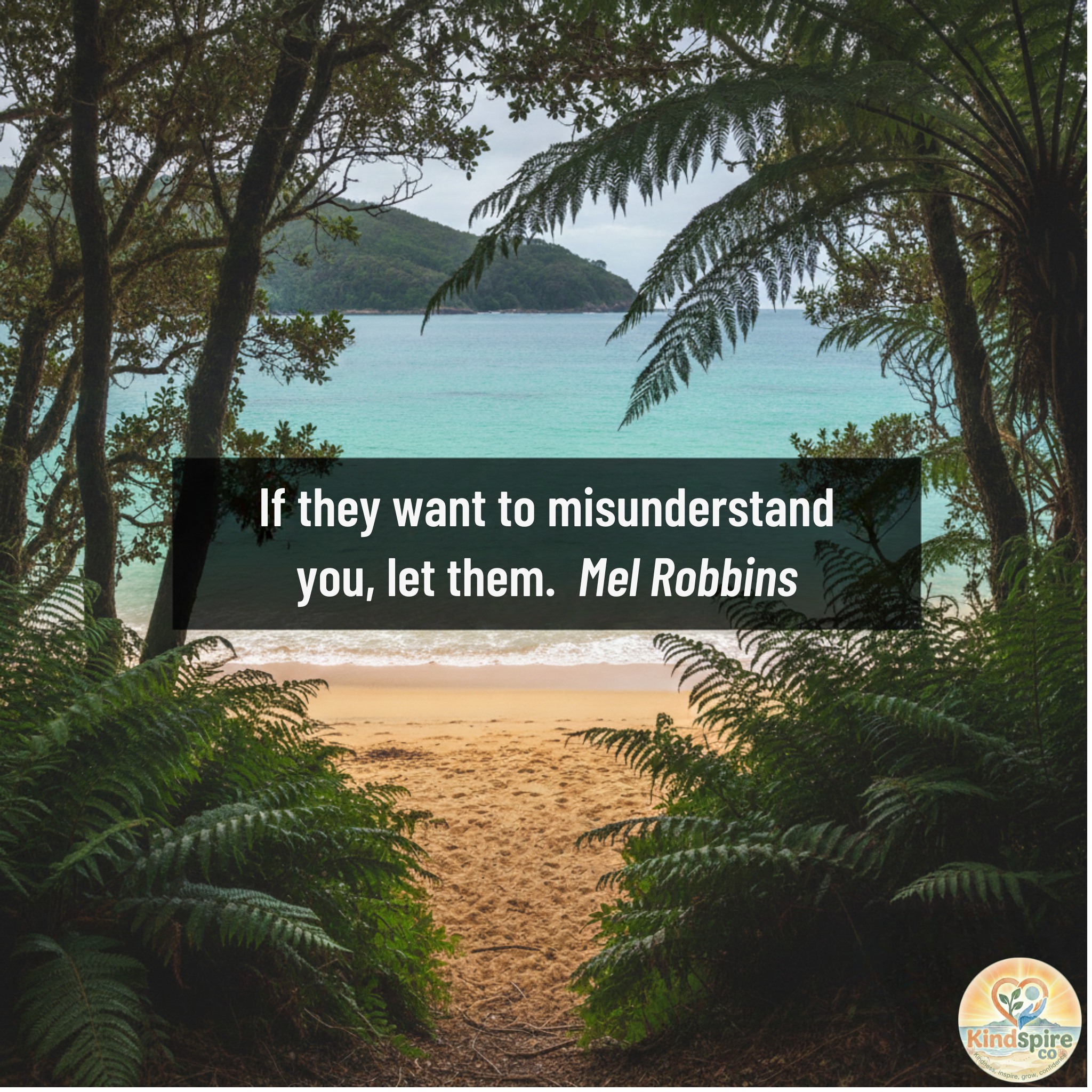
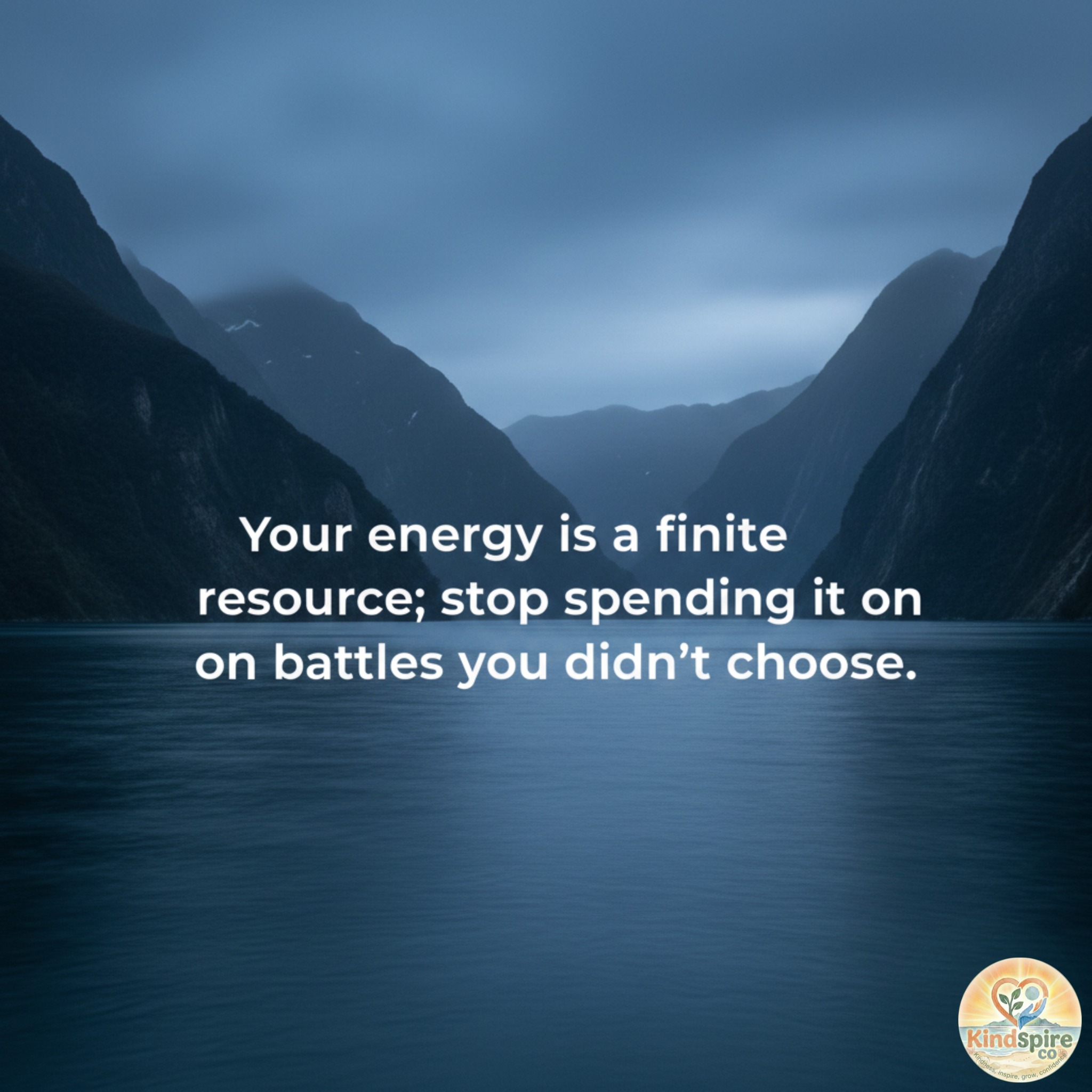
We often find ourselves exhausted not from what we are doing, but from what we are trying to manage in others. We carry the weight of their opinions, the sting of their misunderstandings, and the frantic need to fix their moods. This is the "invisible drain" — the silent leak in our self-care bucket that no amount of rest can fill.
The shift begins with a simple, powerful mantra: "Let Them" — from the incredible Mel Robbins. When you stop trying to control the uncontrollable, you stop abandoning yourself. Boundaries aren't walls to keep people out; they are the gates that keep your peace in.
Today, consciously choose to "Let Them" and redirect that 15 minutes of energy into a ritual that makes you feel grounded — a walk, a breath, or a moment of silence.
What would you have the energy to create if you stopped trying to manage how others perceive you?
Rest is Productive
We live in a world that praises the "hustle" — where the length of our to-do list can be mistaken for the depth of our value.
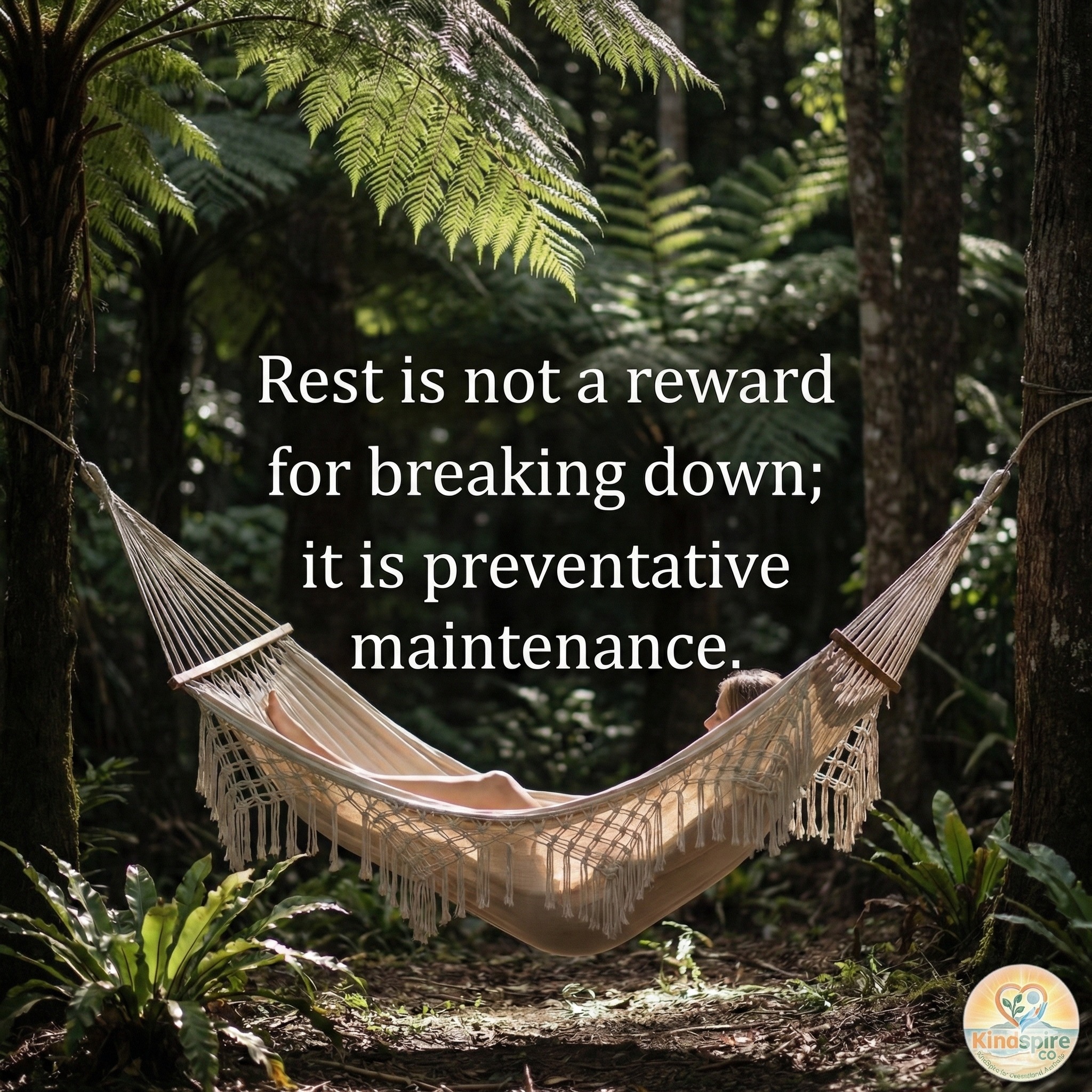
The shift happens when we realise that rest isn't the absence of productivity; it is the engine of it. Just as a forest needs the quiet of winter to bloom in the spring, your mind and body require recovery to function at their peak. Choosing to rest isn't "giving up" on your goals; it's ensuring you have the fuel to actually reach them.
This could be a slow walk, a quiet coffee, or simply sitting in the sun. Treat this appointment with the same respect you would a meeting with a CEO.
If you were operating at 100% battery instead of 10%, how much more joy would you find in your daily tasks?
The Power of 'No'
← scroll to explore →
We often treat our time like an infinite field, letting everyone wander in and out as they please. We say "yes" to avoid the momentary discomfort of a "no," only to trade it for time spent feeling resentful, frustrated or fatigued. This isn't kindness; it's a slow erosion of your own foundation.
The shift happens when you realise that the power of saying "no" is actually the power of definition. It defines where you end, and the world begins. When you stop being a "yes-person" to everyone else, you finally start being a "yes-person" to your own purpose. You aren't being difficult; you are being intentional.
Practice releasing that weight. A gentle, honest "no" today prevents a fractured "yes" tomorrow. Remember — 'No' is a full sentence.
If your energy were a physical room, who have you let in that is currently taking up space you need for yourself?
Building Self-Trust
We are often our own worst critics. When we consistently break promises to ourselves, we create an internal "drain" — a feeling of unreliability and self-doubt that erodes our confidence.
The solution is a shift in perspective: treat the promises you make to yourself with the same respect as the ones you make to others. Recognise that every small promise kept — like exercising when you planned, or waking up on time — is a deposit into your self-trust bank.
For example: "I will drink one extra glass of water," or "I will spend 10 minutes stretching."
At the end of each day, give yourself credit for keeping it.
What small promise can you make and keep to yourself today?
The 5 C's of Wellbeing
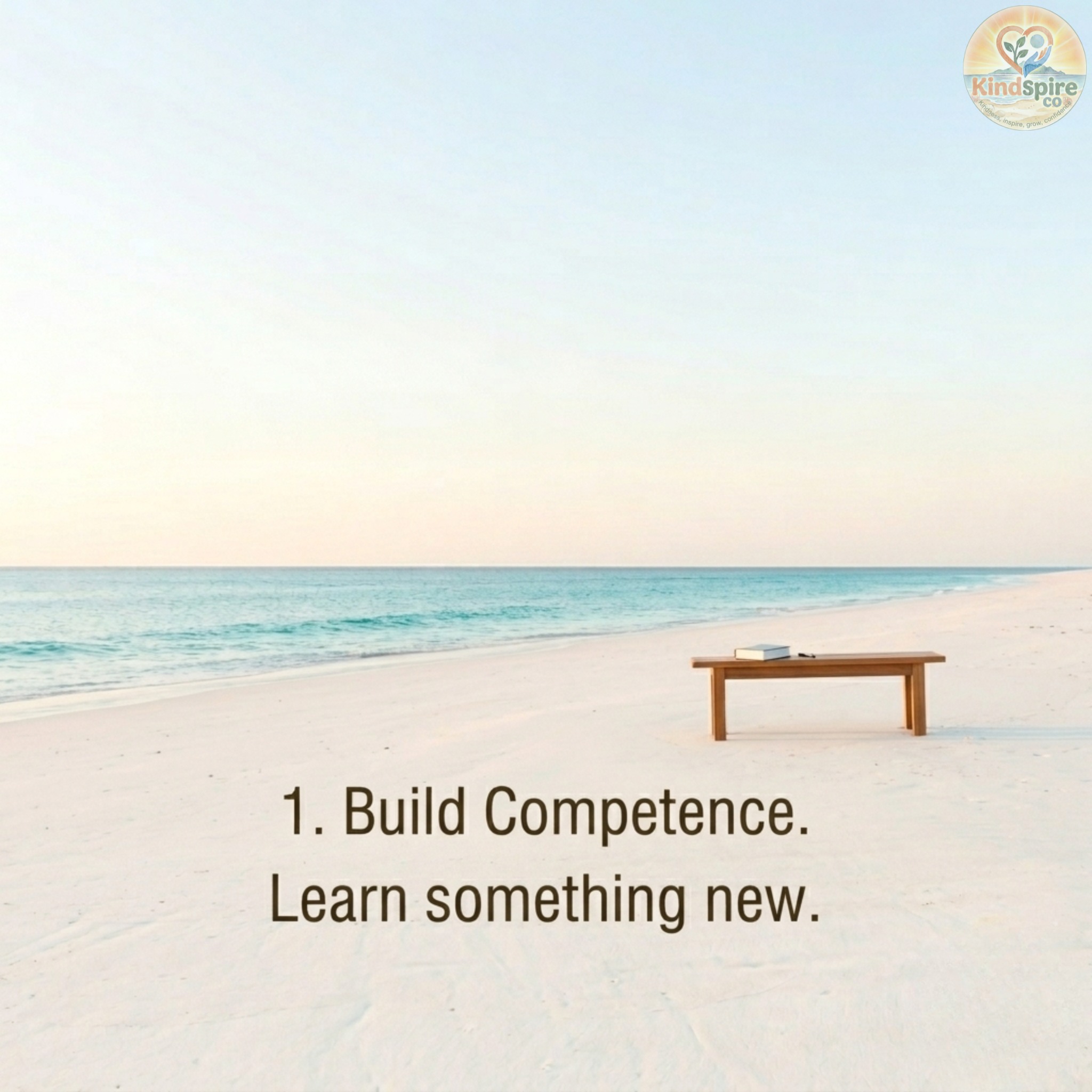
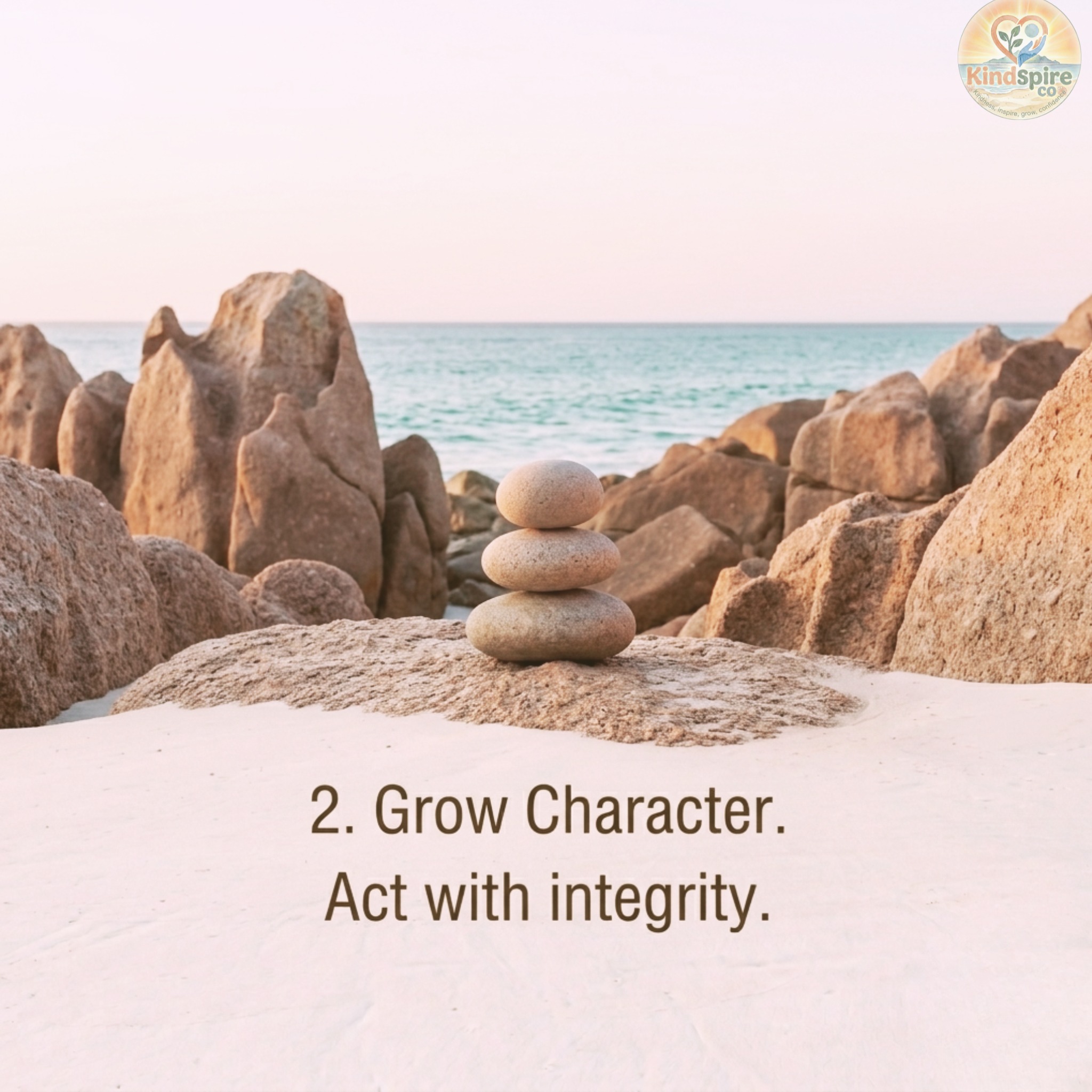
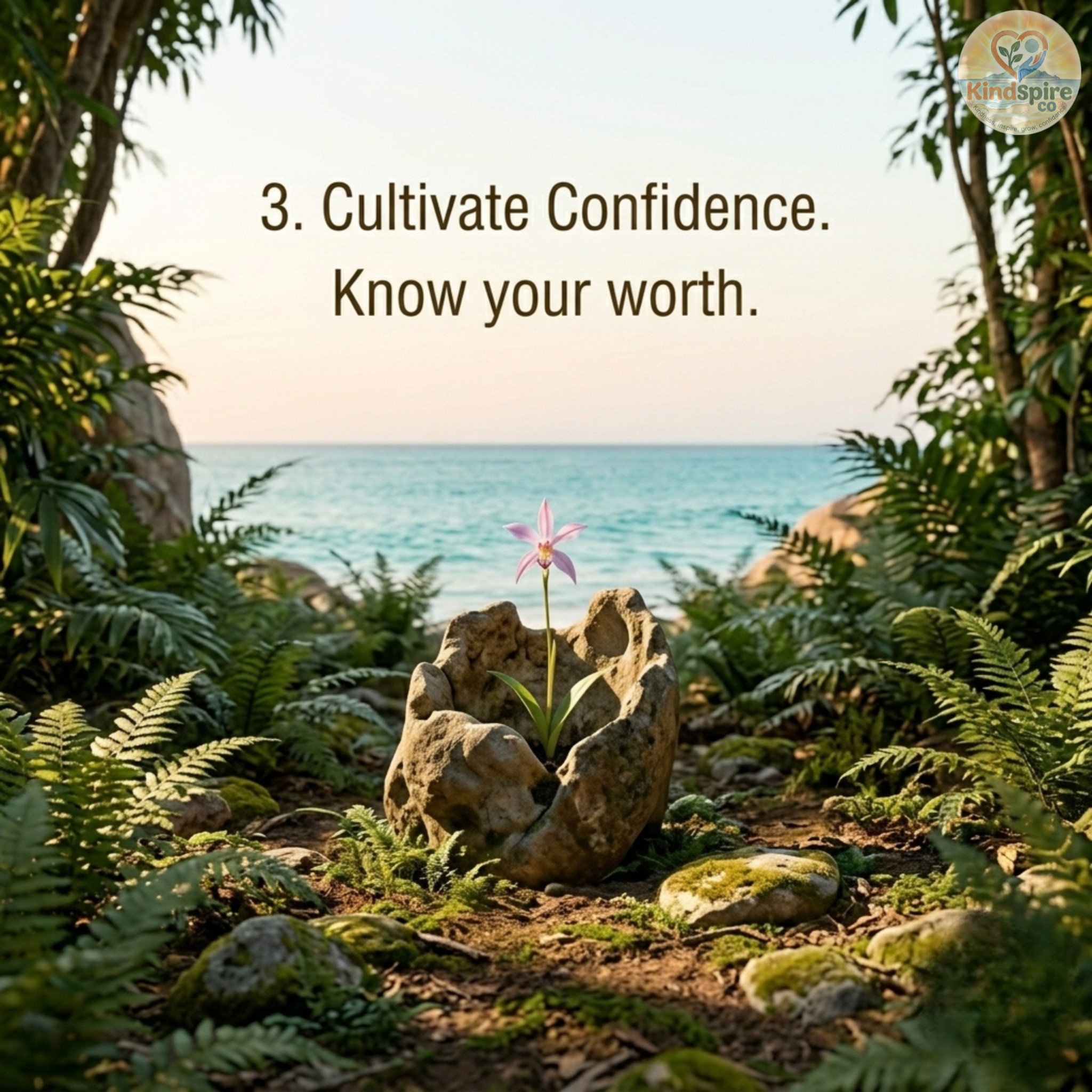
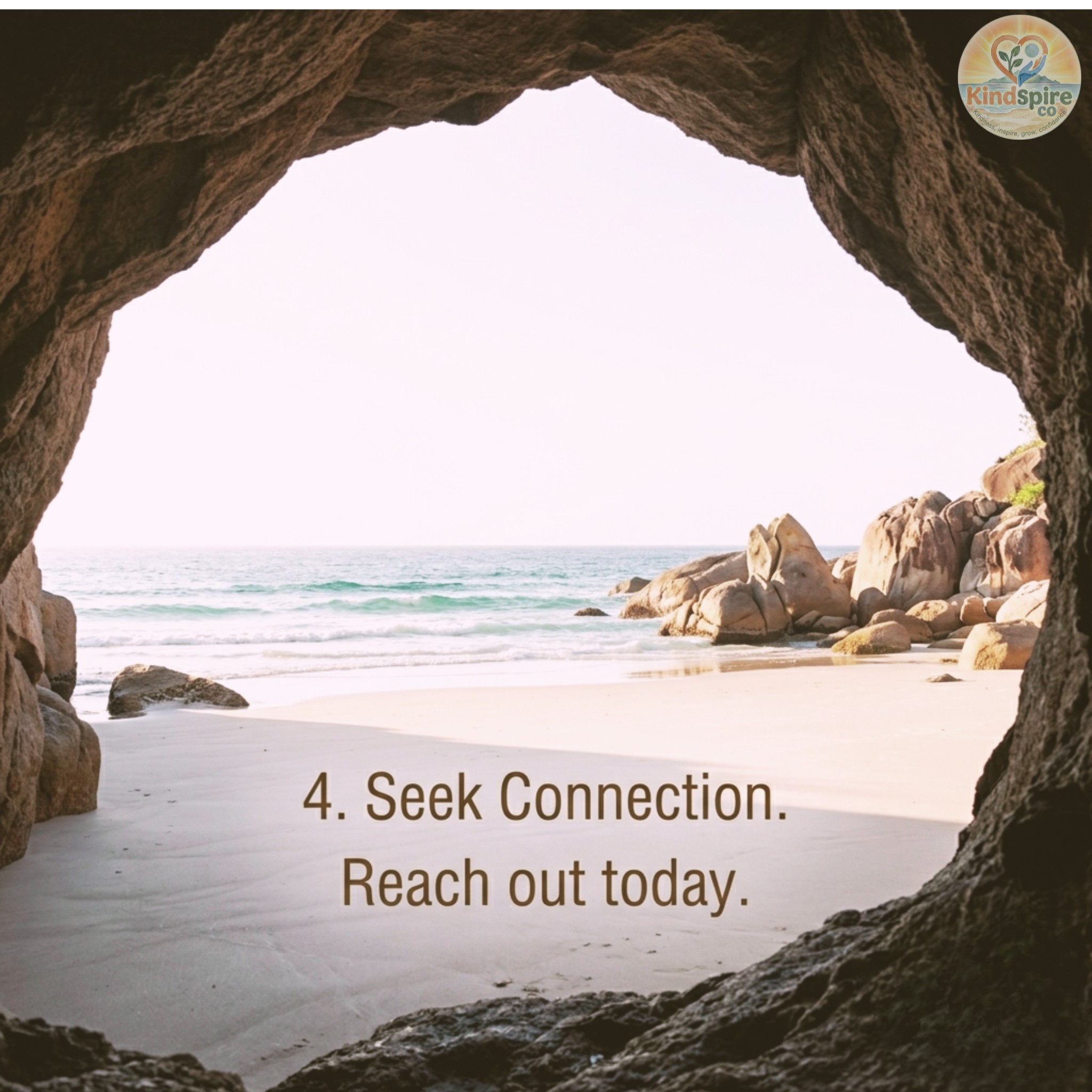
Imagine your wellbeing not as a destination you're trying to reach, but as a garden you get to tend every single day. When we focus on these five pillars, we move from simply "getting by" to truly thriving. It's about recognising the incredible potential already inside you and giving it the space to grow.
The 5 C's framework is a joyful roadmap for self-discovery. Each pillar is an opportunity to strengthen your heart, celebrate your progress, and connect more deeply with the world around you. When these areas are nurtured, your natural confidence and peace begin to radiate from the inside out.
If it's Connection, plan a coffee date with a friend who inspires you. If it's Competence, spend 15 minutes diving into a hobby you love.
Which of the 5 C's makes you feel most alive today?